What Does a Strong Off-Season Look Like for a Student-Athlete?

Mental Toughness Starts With Self-Awareness
- “What did I learn about myself last season?”
- “What challenge do I want to face head-on this summer?”
📊 A study published in the Journal of Applied Sport Psychology found that student-athletes who engage in regular self-reflection report 30% higher resilience and lower burnout during their next season.

Build a Simple Off-Season Routine (and Leave Room for Rest)
Here’s a sample off-season week to get your athletes thinking proactively:
|
Day
|
Focus
|
Time
|
|
Monday
|
Light strength + journal
|
45 min
|
|
Tuesday
|
Skills development + agility work
|
60 min
|
|
Wednesday
|
Active recovery (walk, stretch, yoga)
|
30 min
|
|
Thursday
|
Peer game (pickup, scrimmage)
|
75 min
|
|
Friday
|
Tactical review (watch film/read)
|
30 min
|
|
Saturday
|
Free day (hobby, hike, family)
|
—
|
|
Sunday
|
Goal check-in + visualization
|
40 min
|
Athletes need recovery to prevent burnout — especially teens. Off-seasons should balance structure with flexibility.
Set Goals That Go Beyond the Field
Off-season goal categories:
- 🏋️ Strength: e.g. improve core endurance
- 🏀 Skill: e.g. master 2 new footwork drills
- 🧠 Mindset: e.g. respond to 1 prompt per week in the Hey Coach journal
- 💬 Communication: e.g. text your coach a check-in every Friday
Use Tools That Keep You Grounded, Not Just Busy
With Hey Coach, student-athletes can:
- Get weekly text prompts to reflect on growth
- Share mood and energy check-ins
- Keep a private digital journal with guided entries
- Stay loosely connected to their coach — without pressure
The Hidden Problem with Unstructured Off-Seasons
According to the NFHS High School Athletics Participation Survey, over 7.6 million students play sports annually — but fewer than 30% have any kind of structured off-season plan.
- Re-entry stress at the start of the season
- Poor conditioning
- Increased injuries
- Loss of motivation
The Hidden Problem with Unstructured Off-Seasons
According to the NFHS High School Athletics Participation Survey, over 7.6 million students play sports annually — but fewer than 30% have any kind of structured off-season plan.
- Re-entry stress at the start of the season
- Poor conditioning
- Increased injuries
- Loss of motivation
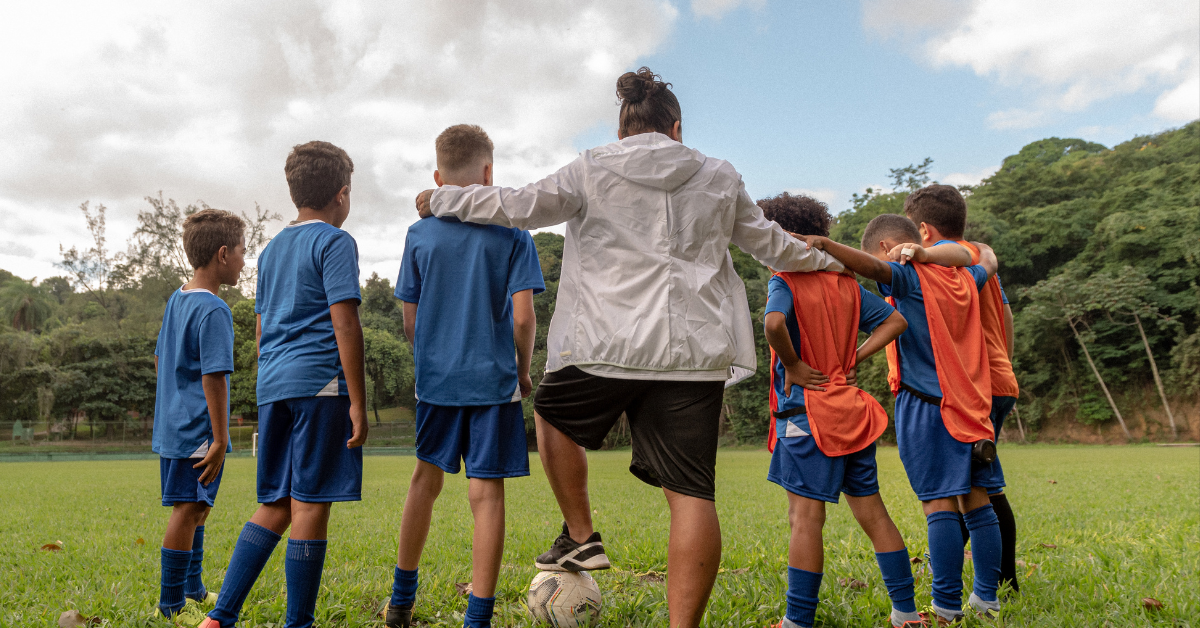
Less Pressure. More Purpose.
A strong off-season doesn’t mean overtraining. It means building self-leadership, staying mentally engaged, and entering the next season with clarity and confidence.
Ready to Guide Your Athletes Through a Better Summer?
📲 Start using Hey Coach’s off-season journaling and messaging tools today →
Want more ideas on how to support growth year-round?
- The Power of Journaling: How Young Athletes Can Track Growth
- How Coaches Can Strengthen Team Communication
Got more questions? Chat with out AI Assistant now by clicking the chat button on the bottom-right corner of your screen!