
The Pause That Changes Everything: Why Great Coaches Coach Before They Correct
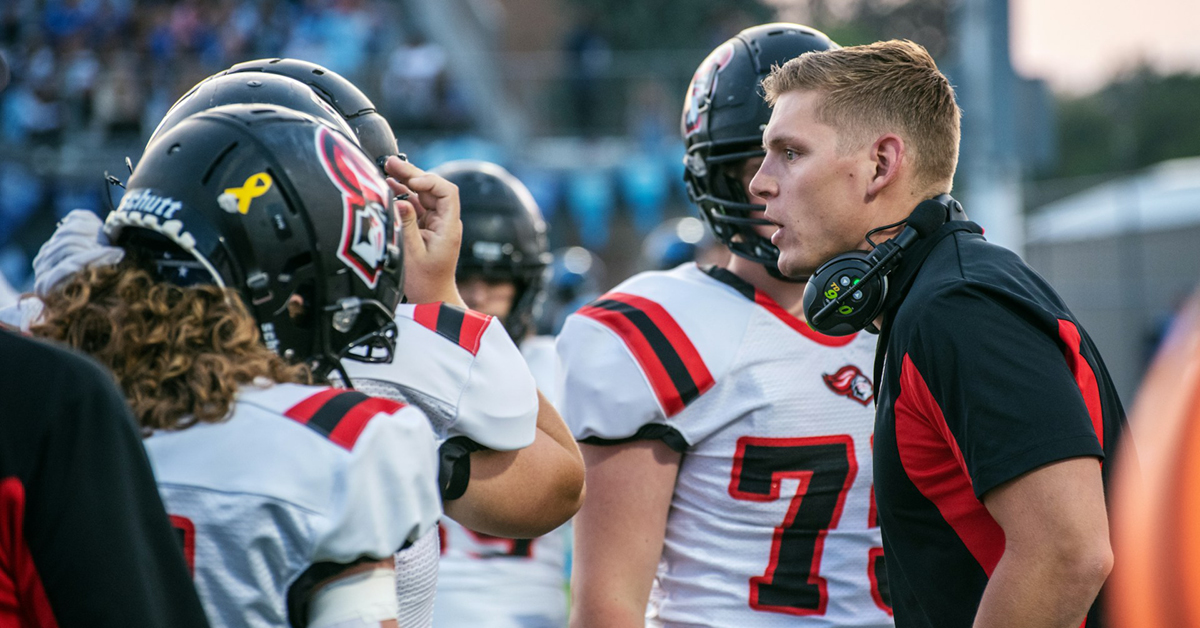
If you’ve coached long enough, you’ve had that moment.
The game is tight. Emotions are up. A player makes a mistake — not a small one, but the kind that swings momentum, ignites frustration, and makes your blood pressure spike. Maybe it’s a turnover in the final minute. Maybe it’s a missed defensive assignment. Maybe it’s a lapse in discipline that costs your team a scoring opportunity.
Your instinct is to react.
To correct.
To teach.
To make sure it doesn’t happen again.
But the truth — the hard truth — is that the coaching moment doesn’t live in the reaction.
It lives in the pause before the reaction.
And that pause… changes everything.
A Story Every Coach Knows All Too Well
A few seasons ago, a high school basketball coach — we’ll call him Coach Mason — found himself in the kind of situation that tests even the most seasoned leader.
State regional semifinals. Tight game. His team up two with just over a minute left. They had possession, the momentum, and the crowd behind them.
Then it happened.
His point guard, a talented but emotionally charged junior, pushed the pace when he didn’t need to. He drove into traffic, lost the ball, and committed a frustration foul on the other end. Two free throws. Momentum gone.
As the referee handed the ball to the shooter, the point guard jogged toward the bench, head down. Coach Mason felt his chest tighten. The words he wanted to say were sharp, accurate… and completely unhelpful.
“What were you thinking?”
“We talked about this!”
“You’re going too fast!”
Instead, he paused.
A long, steady breath.
He remembered something he had heard at a coaching conference years before:
“If your emotions are high, your clarity is low.”
He waited three seconds.
Then five.
He watched the player, not the mistake.
And in that pause… everything shifted.
The player sat beside him, expecting an explosion. Instead, Mason whispered:
“Take a breath. What did you see out there?”
The kid blinked, surprised.
“I… I thought I had the lane.”
“And now?”
“I should’ve pulled it out. My bad, Coach.”
“No. Not your bad. It’s a lesson. You ready to get it back?”
The kid nodded — strong, confident.
And he did get it back.
He hit the go-ahead free throws with 12 seconds left.
Game over. Season extended.
Later that night, in the quiet of an empty locker room, the kid said:
“Coach… thanks for not snapping on me. You made me feel like you still believed in me.”
That pause?
It didn’t just save the moment.
It strengthened the relationship.
It built trust.
It created a coachable moment instead of a defensive one.
It helped a teenager grow into an athlete who could self-correct — which is the entire point of coaching.
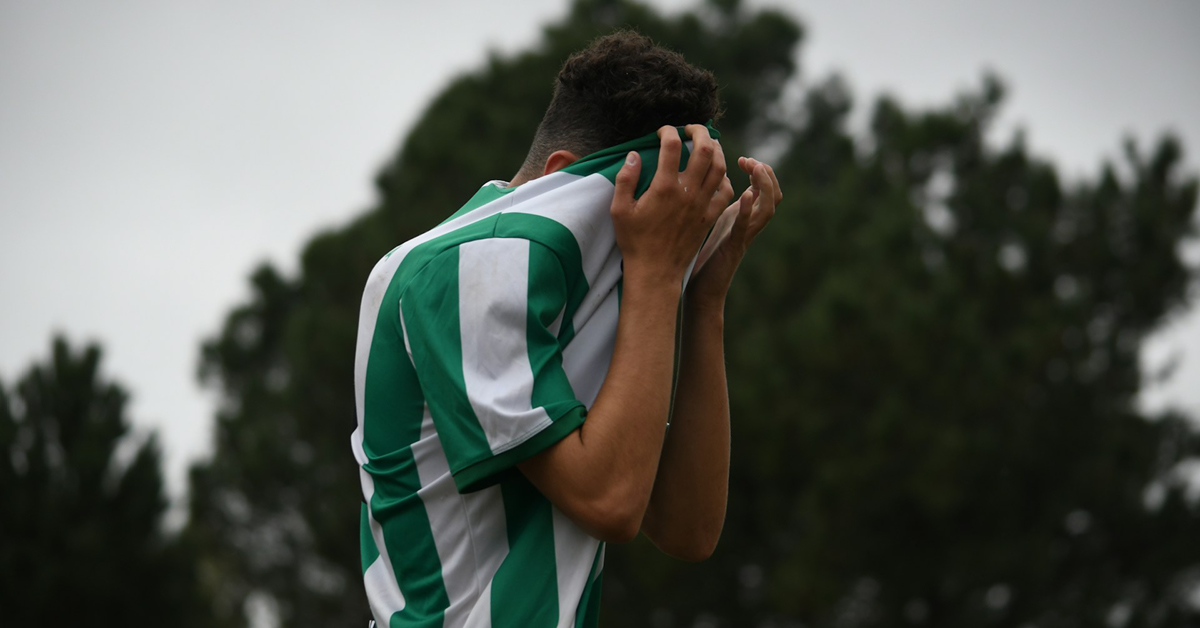
Why the Pause Matters More Than the Instruction
Coaches and athletic directors often talk about “teachable moments,” but here’s the truth:
There is no teachable moment without emotional readiness.
When a player is:
- flooded with adrenaline
- embarrassed
- frustrated
- scared of disappointing you
- overwhelmed by the moment
…their brain literally can’t absorb feedback effectively. Neurologically, they are in fight, flight, or freeze. This is science, not softness.
The pause is what moves them from emotional chaos into cognitive readiness.
It tells the athlete:
- “You’re safe.”
- “You’re seen.”
- “I’m here to help, not judge.”
A calm coach becomes a stabilizing force.
A reactive coach becomes another source of pressure.Athletes don’t need more pressure.
They need more presence.
And presence starts with the pause.
Inside the Coach’s Mind: Why Reacting Feels Natural
Let’s be honest about this — reacting quickly feels like coaching.
It feels like leadership.
It feels like we’re correcting the problem in real time.
But reacting is often about:
- our own frustration
- our own fear of losing
- our own desire to stay in control
- our own need to feel like good coaches
The pause breaks that cycle.
It interrupts our emotional autopilot.
It shifts us from:
- frustration → curiosity
- correction → connection
- reaction → leadership
Coaches aren’t judged by how loudly they correct players.
They’re judged by how effectively they develop them.
And development requires emotional management — not just from the athlete, but from the coach.
Leadership Parallel: The Pause in the Office
This principle isn’t just true on the field or court.
Athletic directors see it in their staff all the time.
A young coach makes a scheduling mistake.
A veteran coach resists change.
A team parent sends a heated email.
A staff member drops the ball on communication.
The instinct? React.
But the leaders who shape culture — who elevate their programs — are the ones who master the pause.
They know:
Reaction closes people down.
Reflection opens people up.
They understand that the pause:
- protects relationships
- improves conversations
- reduces misunderstanding
- builds respect
- models professionalism
ADs who lead through presence shape programs that athletes and coaches want to be part of.
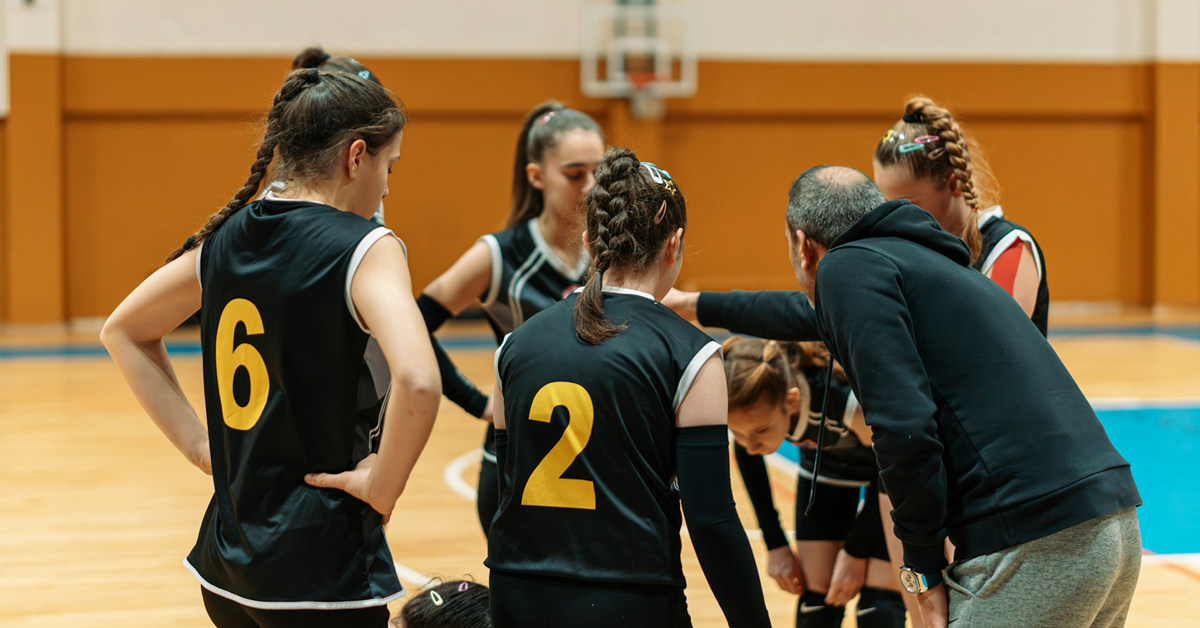
How to Build the Pause Into Your Coaching DNA
Here are practical ways to turn the pause into a coaching superpower:
1. Adopt the 5-Second Reset
When emotions spike, silently count:
1…2…3…4…5
This gives your nervous system time to settle.
Your voice will come out calmer.
Your message will come out clearer.
2. Ask Before You Tell
Instead of jumping to correction, try:
- “What did you see?”
- “What were you trying to do?”
- “What’s your read on that moment?”
Curiosity keeps athletes from feeling attacked.
It also teaches them how to analyze, not just react.
3. Separate the Player From the Play
Correct the action, not the person.
“The spacing was off” is very different from
“What are you doing out there?”
Coaching the play builds trust.
Attacking the player breaks it.
4. Lower Your Voice Instead of Raising It
Volume rarely increases understanding.
But lowering your voice increases attention.
Quiet coaching commands respect.
5. Don’t Coach Angry
If you feel it rising — take the pause.
Take a breath.
Take a moment.
Then respond with intention.
A player will remember your emotional state long after they forget your instruction.
A Second Story: The Softball Captain Who Found Her Composure
A college softball coach once shared a story about his team captain — a senior who carried the weight of leadership on her shoulders.
In a conference game, she struck out swinging at a pitch well outside the strike zone. She slammed her helmet, frustrated with herself. The coach walked toward her, ready to correct the mechanics he’d just watched break down.
But something stopped him.
She didn’t need mechanics.
She needed composure.
And composure is emotional, not technical.
He paused.
She looked at him, expecting critique.
Instead, he said:
“Is this frustration or fear talking?”
She froze.
Then sighed.
“Fear. I’m trying too hard to prove I deserve to be captain.”
He nodded.
“That’s honest. Now let’s reset. What’s the next pitch you’re looking for?”
She smiled.
“Inside rise ball.”
Two innings later, she hit a go-ahead double.
Not because her swing changed — it didn’t.
Because her mindset changed, and that opened the door for her mechanics to follow.
This is the power of the pause.
It’s not about avoiding correction.
It’s about delivering correction at the right time, in the right way, with the right emotional readiness.
Why the Pause Builds Championship Culture
Programs known for composure, consistency, and confidence all share one thing: Calm leadership at the top.
Athletes mirror the emotional tone of their coaches.
If you are:
- frantic → they become frantic
- impatient → they become cautious
- reactive → they become defensive
- calm → they become confident
Coaches often ask, “Why does my team lose their composure?”
Sometimes, the answer is simple:
Because they’ve learned it from us.
The pause models the behavior we want to see.
And when athletes see you control your emotions, they begin to control theirs.
That’s how culture is built:
Not in the championship game, but in the small moments — the pauses — that come long before it.
Hey Coach Confidence: The Pause Isn’t Soft. It’s Strategic.
Coaching isn’t about perfection.
It’s about presence.
The pause is not a weakness.
It’s wisdom.
It’s maturity.
It’s leadership.
The best coaches — the ones athletes remember years later — are not the ones who corrected the most.
They’re the ones who connected the most.
They’re the ones who:
- breathed when others yelled
- asked when others accused
- listened when others reacted
- guided when others controlled
Great coaches coach before they correct.
And that begins with one powerful moment…
the pause.
Ready to Transform Your Coaching?
Join Our Waitlist Today!
Subscribe to our updates. Stay informed with the latest news, special offers, and exclusive content by subscribing to our updates. By subscribing, you consent to receive communications from us through various channels, including email, SMS, and other digital means.
What You’ll Receive:
-
- Newsletters: Monthly updates with the latest news and insights.
- Promotions: Exclusive deals and special offers.
- Event Invitations: Be the first to know about upcoming events and webinars.
- Content Updates: New articles, blog posts, and resources.
Your Privacy:
We respect your privacy and are committed to protecting your personal information. You can read our full privacy policy here. We will never share your data with third parties without your consent.
Manage Your Subscription:
You can update your preferences or unsubscribe at any time by following the instructions in our communications or contacting our support team at contact@heycoach.team.
Thank you for staying connected with us!
Hey Coach Team