The Leadership Skill That Separates Good Coaches from Great Ones
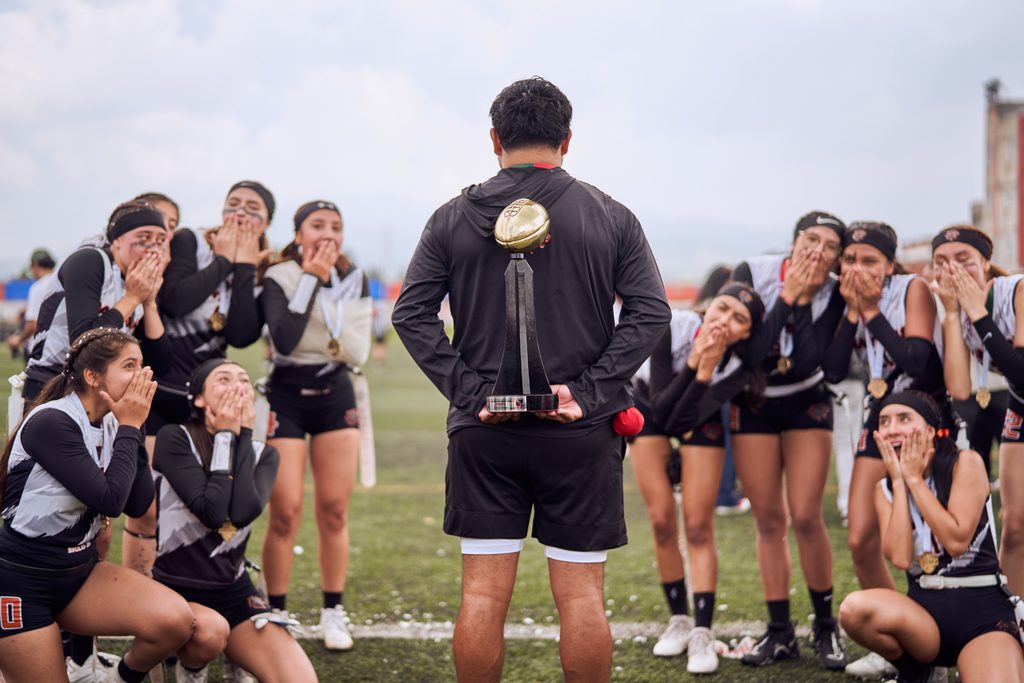
When we hosted the first-ever Hey Coach Summit on August 6, we heard from more than 20 coaches, athletes, authors, and leaders. Every speaker brought a different background and perspective, but one message surfaced again and again:
Great coaching starts with listening.
Not listening so you can respond.
Not listening so you can fix.
Listening so you can understand.
In sports, coaches spend countless hours refining practice plans, teaching technique, and developing game strategy. Those things matter. But the coaches who leave the greatest impact aren’t always remembered for the plays they called or the championships they won. They’re remembered because their athletes felt seen, heard, and valued.
Beyond “I’m Fine”
An assistant basketball coach once noticed one of his players lingering after practice.
His starting shooting guard, Lucas, had been unusually quiet for weeks. His energy was low, and his confidence seemed to disappear every time he stepped onto the court.
“You good?” the coach asked.
Lucas shrugged. “I’m fine.”
It would have been easy to leave it there.
Instead, the coach paused.
“What does ‘fine’ really mean today?”
After a long silence, Lucas admitted his father’s military deployment had been extended. He wasn’t thinking about basketball at all, he was worried about home.
The coach didn’t offer a motivational speech or immediately try to solve the problem. He simply listened.
For nearly twenty minutes, Lucas talked about fear, loneliness, and pressure.
Nothing changed overnight, but something important happened that afternoon: Lucas realized he didn’t have to carry the weight alone.
Weeks later, his confidence returned. At the end of the season, he wrote his coach a note thanking him for “hearing me when I didn’t know how to say what I needed.”
Sometimes the greatest coaching moment has nothing to do with the game.
Three Levels of Listening
Most coaches genuinely care about their athletes. But caring and listening aren’t always the same thing.
Level 1: Listening to Respond
This is where many of us naturally operate.
While an athlete is talking, we’re already thinking:
- What advice should I give?
- How do I fix this?
- What does this mean for the team?
We’re hearing the words, but our attention is divided.
Level 2: Listening to Understand
Good coaches move beyond their own thoughts and focus on the athlete’s words.
They’re present.
They’re curious.
They ask follow-up questions.
This level builds trust.
Level 3: Listening Beneath the Words
Transformational coaches go one step further.
They notice the hesitation before an answer. The change in tone. The forced smile. The unusually quiet practice.
They’re listening for what isn’t being said as much as what is.
Often, that’s where the real conversation begins.
Why Athletes Don’t Always Tell You the Truth
Athletes are taught to be tough.
To push through pain.
To stay positive.
To avoid making excuses.
Because of that, many hide fear, frustration, self-doubt, or exhaustion. They worry that honesty might be seen as a weakness or cost them opportunities.
When coaches create space to truly listen, athletes become more willing to share what’s really going on.
And once you understand the real challenge, you can actually help.
Listening Builds More Than Relationships
Deep listening doesn’t just improve conversations.
It builds trust.
It strengthens communication.
It creates emotional safety.
And athletes who feel emotionally safe are more willing to take risks, learn from mistakes, and grow as leaders.
A Takeaway from the Hey Coach Summit
One of the strongest themes from this year’s Hey Coach Summit wasn’t about winning more games.
It was about building stronger people.
The coaches who make the biggest impact aren’t always the loudest voices in the room. More often, they’re the ones who know when to stop talking and start listening.
Because athletes may not remember every drill you ran or every speech you gave.
But they’ll always remember how you made them feel.
Listening isn’t passive.
It’s leadership.
And it may be the most powerful coaching skill you’ll ever develop.