5 Tips for Effective Team Communication
Effective communication within a team is essential for achieving goals and maintaining a harmonious work environment.
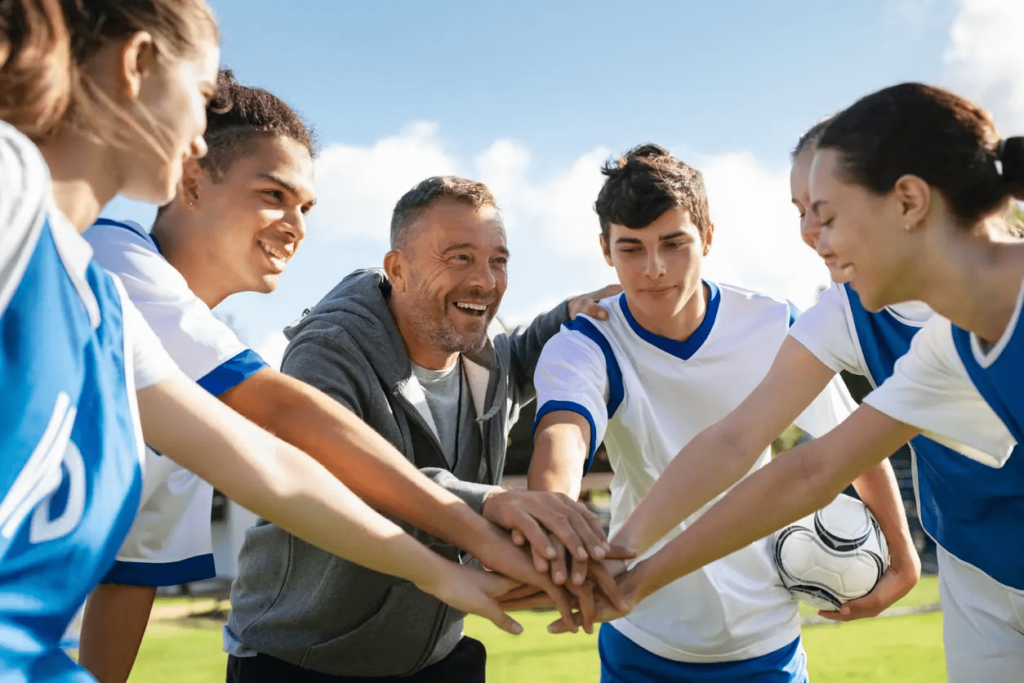
Effective communication is the backbone of any successful team, especially in the world of student-athletes, where teamwork, clarity, and trust are paramount. Whether you’re on the field, in the gym, or in a classroom, the ability to communicate effectively can make or break the success of a team. Here are five tips to enhance communication within your team and foster a collaborative environment.
1. Establish Clear Expectations
Clear expectations are the foundation of effective communication. Coaches should outline what is expected of each team member, not only in terms of performance but also in communication. Whether it’s regular updates, meeting deadlines, or speaking up during team meetings, clearly defining these expectations ensures everyone is on the same page.
Tip: Consider creating a team communication charter that outlines these expectations and encourages team members to contribute to its development. This promotes ownership and accountability.
2. Promote Active Listening
Active listening is a crucial skill that often gets overlooked. It involves fully concentrating, understanding, responding, and remembering what is being said. When team members listen actively, they are more likely to understand each other’s perspectives, which can prevent misunderstandings and conflicts.
Tip: Encourage your team to practice active listening during meetings and huddles. One way to do this is by implementing a “listen before you speak” rule, where everyone takes a moment to absorb what has been said before responding.
3. Utilize Multiple Communication Channels
In today’s fast-paced world, relying on a single method of communication isn’t enough. Use a mix of communication channels to keep everyone informed, such as messaging apps, emails, face-to-face meetings, and video calls. This approach caters to different communication styles and ensures that important messages are received by all.
Tip: Make use of digital tools that facilitate real-time communication, such as team messaging apps or shared calendars, to keep everyone connected and on track.
4. Encourage Open Dialogue
Creating a culture of open dialogue where team members feel comfortable sharing their thoughts, concerns, and ideas is essential for effective communication. When athletes feel heard and valued, they are more likely to engage and contribute positively to the team dynamic.
Tip: Hold regular team meetings where everyone is encouraged to speak up. Consider implementing an anonymous suggestion box for those who might be hesitant to voice their opinions openly.
5. Provide Constructive Feedback
Feedback is a vital component of team communication. It helps team members understand their strengths and areas for improvement. However, the way feedback is delivered can make a significant difference. Constructive feedback, which is specific, objective, and actionable, fosters growth and development rather than discouragement.
Tip: Use the “sandwich” method when giving feedback: start with a positive comment, followed by constructive criticism, and end with another positive note. This approach helps maintain a positive and encouraging atmosphere.
Wrapping Up!
Effective communication within a team doesn’t happen overnight; it requires consistent effort and practice. By establishing clear expectations, promoting active listening, utilizing multiple communication channels, encouraging open dialogue, and providing constructive feedback, you can strengthen the bonds within your team and create an environment where everyone thrives. Remember, communication is not just about talking—it’s about connecting.